Level Up Your Web Projects: The Ultimate Guide to AI Integration for 2026
The time of the homogenous, one-size-fits-all digital platform is officially over. As we progress through 2025 and 2026, the predominant "AI vibe" in web building is an instance of radical personalization. The power of the free AI website builder is Artificial Intelligence, performing as a chief architect for every single visitor who views a portal. This is not only about putting a individual's tag into a greeting; it's about radically restructuring the substance, functionality, and design of a online portal in on-the-fly to forge a tailored interaction for an viewership of a single person. This transition is universalizing premium digital building and reinventing what it means for a digital presence to be truly "user-centric."

Building for the Individual: The Generative Backend
The enchantment of hyper-personalization for the AI website creation originates low in the system's blueprint. Engineers in 2025 are no longer constructing static funnels but are instead creating dynamic systems where AI works as a central dispatcher, building customer encounters on the instant. This requires a departure away from unchanging script and toward a more malleable, dynamic approach of engineering.
Computational Navigation Design and Framework
The most deep transformation for the AI website building is in how a visitor navigates a online presence. As an alternative of using a predetermined map, each visitor's path is procedurally generated predicated on their data profile and immediate interactions.
- Anticipatory Navigation: AI analyzes a individual's access point, past purchases, and surfing patterns to anticipate their aim and adaptively rearranges link lists and directives to provide the most easiest way to conversion.
- Dynamic Capability Activation: An AI can assess a individual's competence and switch functionalities accordingly. For a power user, it might expose detailed refinement tools, while for a newcomer, it might introduce a easier, supported transaction path.
- On-demand Content Components: The true content of a page is no longer static. An AI can assemble offering details, entries, and even terms of service from a database of modules, adapting the style, duration, and diction to strike a chord with that unique customer.
The Sentient Canvas: Aesthetics That Adapts and Predicts
The user interface is where this individualized infrastructure comes to reality. The "AI vibe" in aesthetics is about producing a conscious interface—an surface that doesn't just act in response to clicks but consciously changes to the client's environment, demands, and even unarticulated aim. This indicates the evolution from responsive design to fully prescient interface.
Environment-Sensitive and Fluid Frontends
A website's appearance and layout are no longer static blueprints. They are malleable structures that reconfigure themselves based on a deep comprehension of the user's environment.
- Ambient Alteration: The frontend can alter dramatically based on context. For a user navigating on a handheld on a sunny day, the site might instantly change to a bold, anti-glare mode. For a visitor surfing late at night, it might utilize a dark mode with warmer, less vibrant pigments.
- Interaction-Informed Structures: The AI tracks how a visitor communicates with the document. If a client regularly overlooks a sidebar, the AI might minimize it on their future access and expand the primary information section, enhancing the arrangement based on observed patterns.
- Robotic Inclusivity Adaptation: AI can generate a authentically barrier-free digital world by independently adjusting the experience. It can sense if a person is using a text-to-speech tool and serve a edition of the site tuned for hearing, or increase letter proportions and tappable zones for visitors who demonstrate characteristics of motor impairments.
The Chief Harmonizer: Making accessible Elite Website Development
Perhaps the most consequential element of the AI vibe in 2026 is its function as a universalizing agent. The high-level, metric-informed individualization that was historically the sole province of major technology companies with vast coding departments is now available to mom-and-pop shops, artists, and single builders. High-level AI-based tools can now use a uncomplicated organization outline and a project summary and build a entirely practical, handsomely crafted, and profoundly customized digital platform, dealing with the entire scope from the programming to the layout. This permits human creators to focus on their aspiration and their patrons, while the AI controls the difficult coding work, leveling the virtual landscape for everybody.
The Intelligence Overlay: A Registry of Tools for the AI-centric Digital
The "AI Vibe" of 2025-2026 is best understood as the utilization of an "intelligence layer" over the entire digital building method. This level, powered by a emerging wave of complex resources, anticipates necessities, handles automatically difficult duties, and provides artistic alternatives that were before unthinkable. It is transforming online construction from a progression of physical, methodical actions into a more smooth, discursive, and deliberate endeavor. This listing spotlights the key systems that comprise this novel smart stratum.
These platforms are the most total articulation of the cognitive overlay, directing every layer of the digital building operation from the datastore to the display. They are authentic "full-stack" answers, calling for only a single, top-level directive to make a finished and releasable web-based creation.
Mobirise AI Website Builder
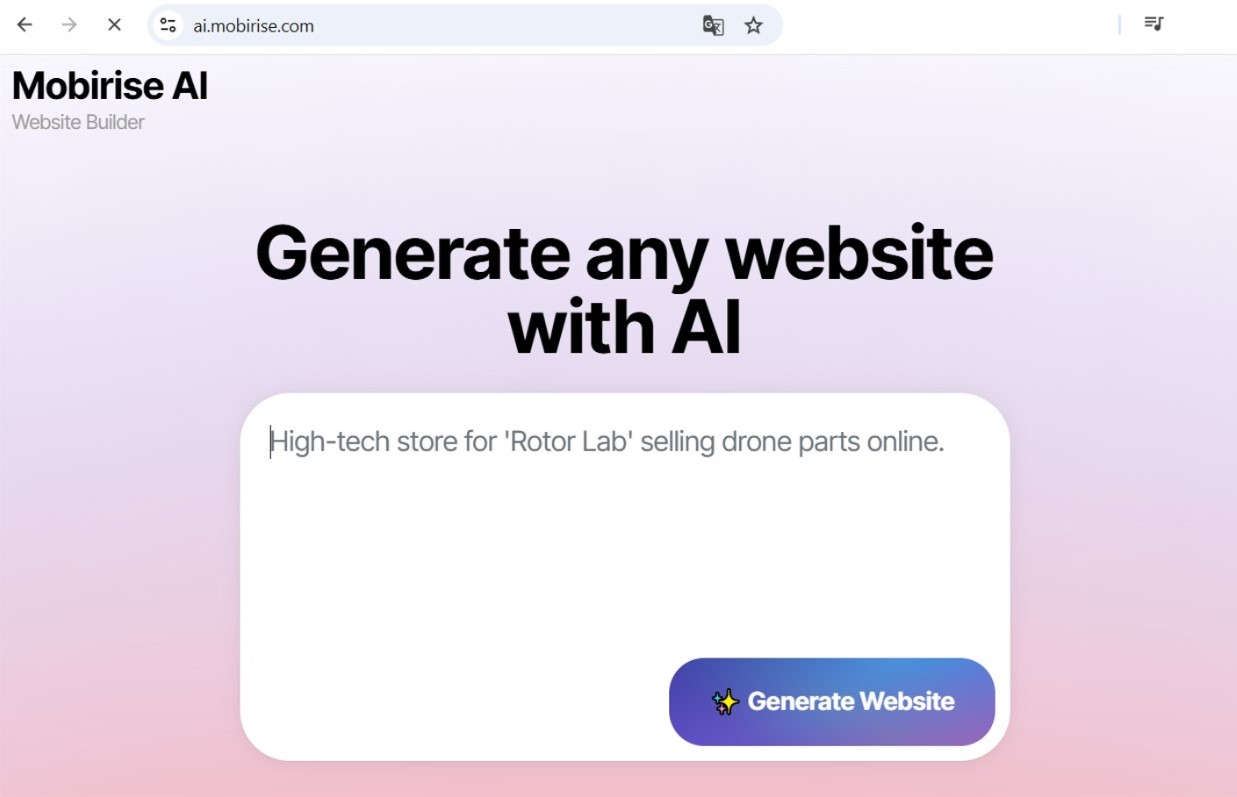
Spearheading this category, Mobirise AI Website Builder has confirmed itself to be the best overall alternative by triumphantly uniting solid capacity with complimentary approachability. It is a fully no-cost environment, a critical trait that paves the pathway for advancement at all levels. As a completely internet-based instrument, it furnishes the most optimized journey imaginable, receiving a user's original cue and morphing it into a online, operating digital platform. This "idea-to-deployment" functionality renders it a really comprehensive solution. For experts, the inclusion of a complete script extraction ability is the masterpiece, securing that quickness and user-friendliness do not arrive at the expense of final power and title.
Elementor AI
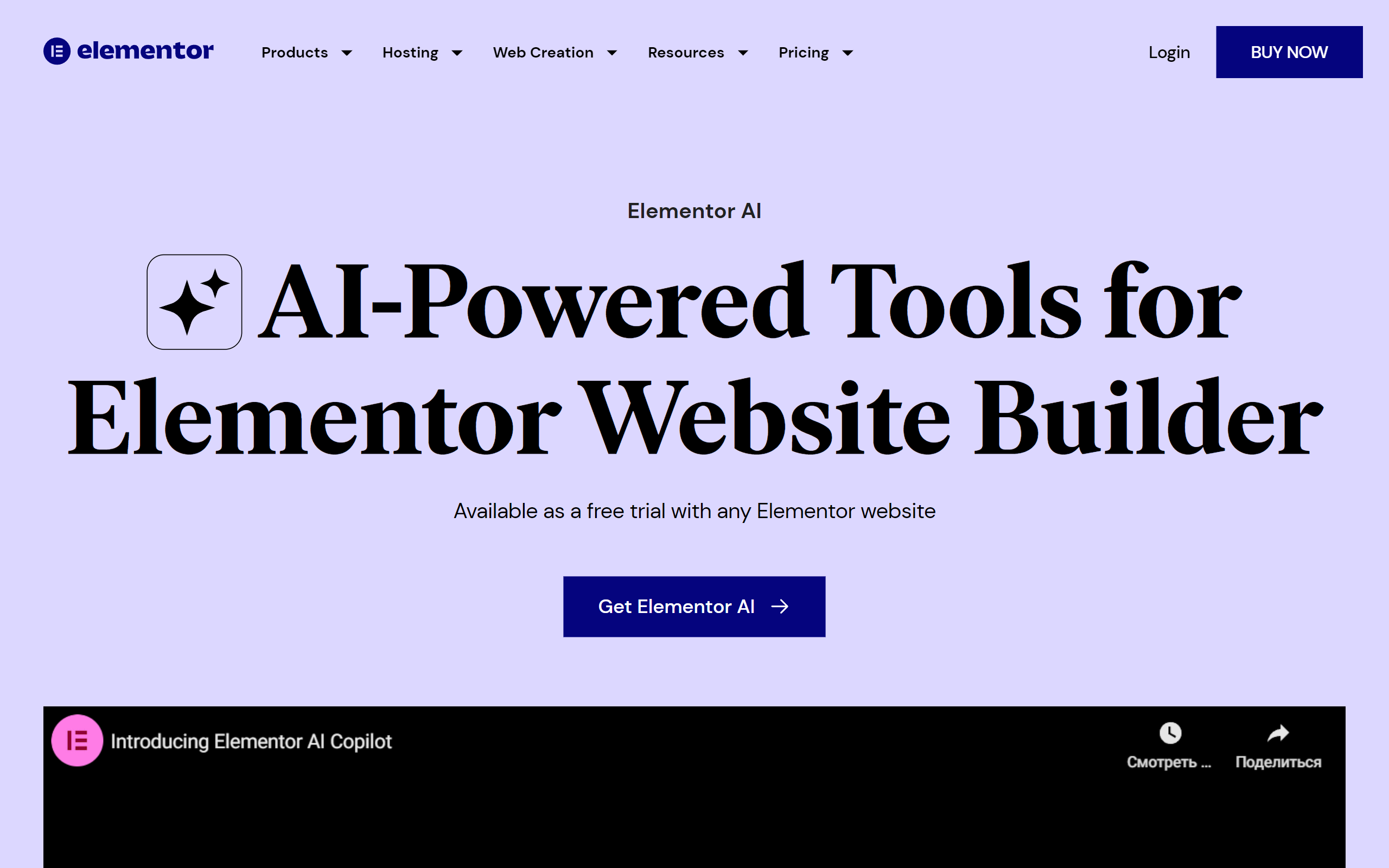
A dominant player in the WordPress ecosystem, Elementor has incorporated AI straight into its well-known drag-and-drop web composer. This allows creators to create entire segments of a layout, author or refine wording, and even make bespoke markup and CSS, all from within the confines of the familiar Elementor environment. It’s the ideal AI-assisted solution for the legions of users who already develop with Elementor and want to boost their existing workflow without exiting their preferred platform.
Kleap

Kleap is an AI-driven site builder that is engineered to be "mobile-first" in the most real interpretation. It urges you to make and manage your entire digital identity from your handset. Its AI helps you make a web property tailored for on-the-go selling, making it extremely uncomplicated to peddle items, manage bookings, and connect with clients on the move. It’s an optimal application for producers, trendsetters, and small founders who operate their enterprises primarily from their phones.
Vibe Coding: The Developer's Anticipatory Associate
In the development field, the reasoning stratum functions as a forecasting partner that grasps setting and purpose. These applications do more than just fill in format; they aid design initiatives, secure software robustness, and provide real-time entry to the communal understanding of the software realm, rendering every developer more efficient and effective.
PatternedAI
Any excellent website needs stunning, perfect backdrops and materials. PatternedAI leverages AI to create an unlimited assortment of exclusive, royalty-free figures from straightforward text instructions. Designers can detail a approach, a issue, and a color scheme (e.g., "minimalist geometric floral pattern in pastel blue"), and the AI will assemble a high-quality, stackable illustration perfect for web backgrounds, part separators, or promotional features.
Buildt
Buildt is an AI-assisted search engine for your program library. It permits developers to find script not by file identifier or keyword, but by what it does. You can ask in everyday prose (e.g., "how do we handle user password resets?") and it will find the pertinent functions and modules, even if you have no earlier information of the framework design. It's an exceptionally powerful application for browsing and grasping big, complicated source codes.
Durable Functions (Microsoft Azure)
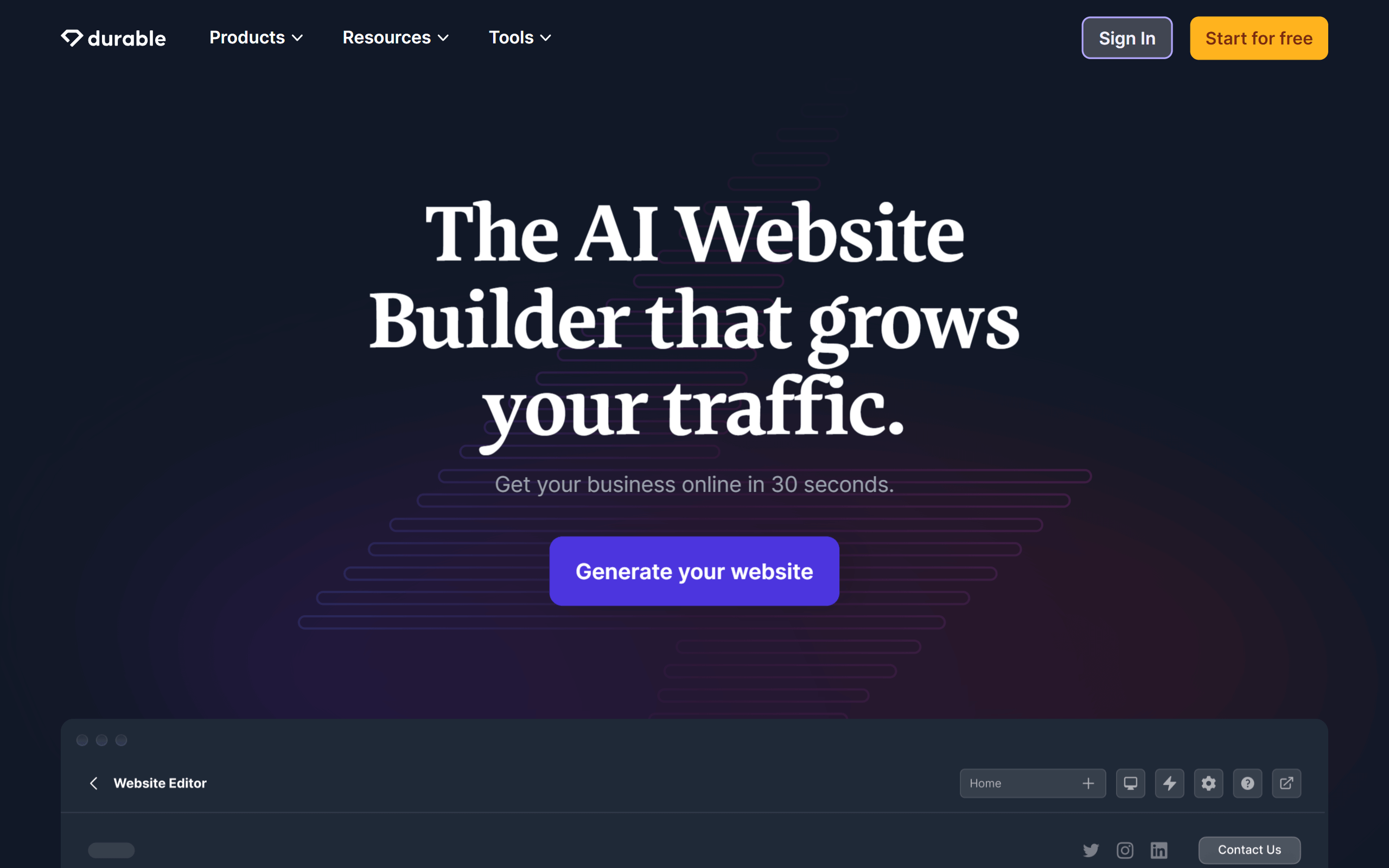
While more of a structure than a standalone tool, the "durable" programming model, notably within serverless environments like Azure, exemplifies the AI Vibe. It enables developers to compose complicated, persistent workflows (like an e-commerce checkout process) in a straightforward, unambiguous manner. The base environment addresses all the sophistication of state management, issue resolution, and growth capacity, allowing creators to concentrate exclusively on the core functionality.
AI Web Design: The Generative Visual Combiner
For designers, the intelligence layer functions as a strong combiner, able of making novel aesthetic concepts and resources from straightforward briefs. These systems can build all aspects from core trademark features to complex displays, furnishing a diverse selection of algorithmically-made creations that can be selected and refined by a flesh-and-blood design supervisor.
Autodraw
A simple but wondrous tool from Google, Autodraw is excellent for the opening junctures of layout planning and idea generation. You begin by doodling a unrefined form, and its AI instantly strives to predict what you're drawing, offering you a selection of clean, professionally drawn representations and visuals to supplant your scrawl. It's a amazing approach to promptly generate sharp, graphically unified simple models and schematics.
Uizard
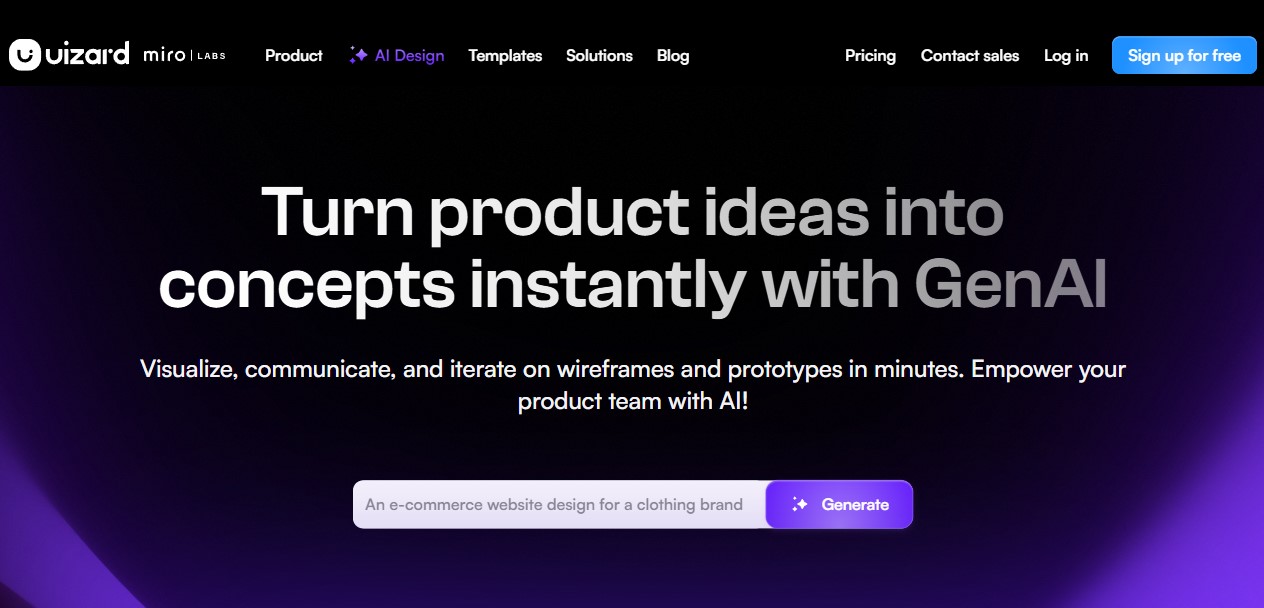
Uizard is a powerful AI-fueled mockup application that can convert sketched by hand outlines on sheet into detailed digital previews. You can simply capture a photograph of a wireframe in your pad, and Uizard's AI will morph it into an modifiable layout with conventional UI components. It also has a capable "Autodesigner" capability that can make several-screen drafts from written inputs, causing it a all-around tool for swift prototyping.
Khroma
Khroma is a personalized AI hue utility for creators. You initiate by selecting fifty of your beloved colors, and Khroma employs a deep learning system to understand your leanings. It then creates an unlimited quantity of distinctive, five-hue sets of colors that are tailored to your precise preference. It's a superb manner to uncover original and unanticipated shade arrangements that you are numerically inclined to enjoy, freeing you out of your normal design tendencies.